

Written by: Clifford Roberts, Photography: Johan Viljoen
The Swartland region, just north of Cape Town, has captivated the wine world with its beauty, vineyards, and pioneering winemaking. If you’re planning a trip to explore the area, the sheer number of exceptional producers can be overwhelming.
The Swartland is also one of the most expansive of South Africa’s regions, so it helps to have a strategy if you want to make the most of a visit.
To help you navigate, we’ve broken down the Swartland into four distinct areas—each offering a unique blend of wineries and olive producers.
We recommend booking accommodation at a few different locations in the region. This will allow you to reduce travel time and make the most of what each sub-region has to offer.
For a useful map of the region that highlights our producer members, go here.
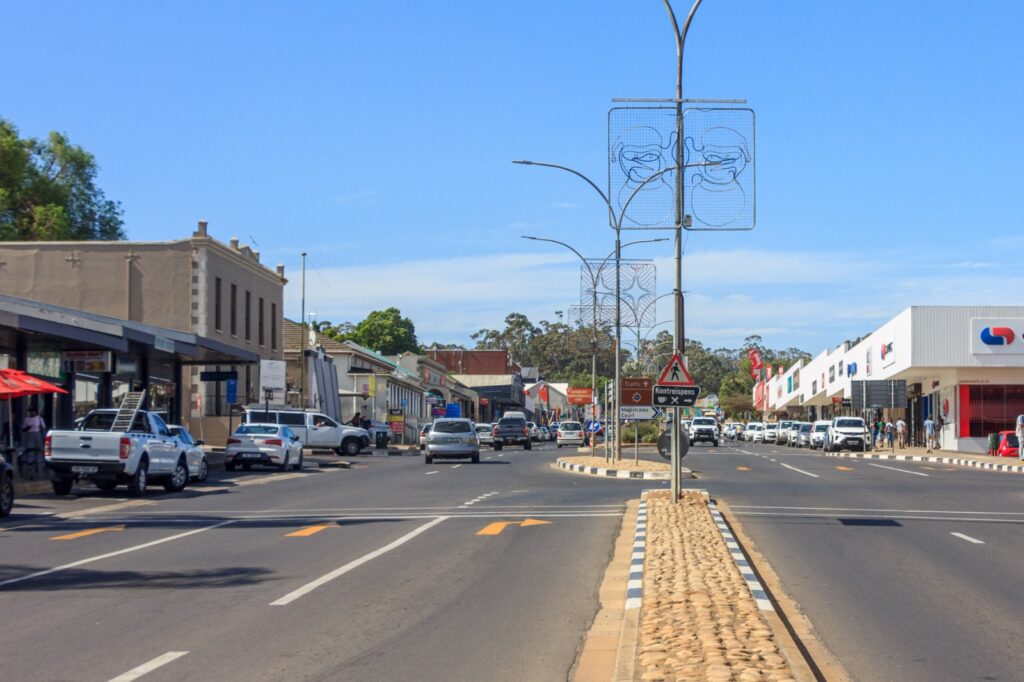
Stay 1: Malmesbury – The heart of the Swartland
Malmesbury is the central hub and a great starting point, home to a mix of established cooperatives and small, quality-focused cellars.
There’s a good selection of accommodation, a major shopping centre and a diversity of activities that include tours of this town’s historic buildings and skydiving.
Two of the most central wineries here are the Hofstraat Wynkelder, which offers an intimate tasting experience with a smaller, focused portfolio; and Swartland Winery, which is a larger production facility with a broad range of wines.
Slightly further afield, lies Klein Amoskuil, which is a crucial stop, as it is home to the oldest block of Sauvignon Blanc in South Africa. Winemaker Charl du Plessis also makes use of ancient winemaking techniques.
Equally fascinating is Nativo, the home of Argentinian-born Billy Hughes’ wine enterprise. Its rammed-earth tasting room is an architectural wonder, as is its rustic subterranean cellar.
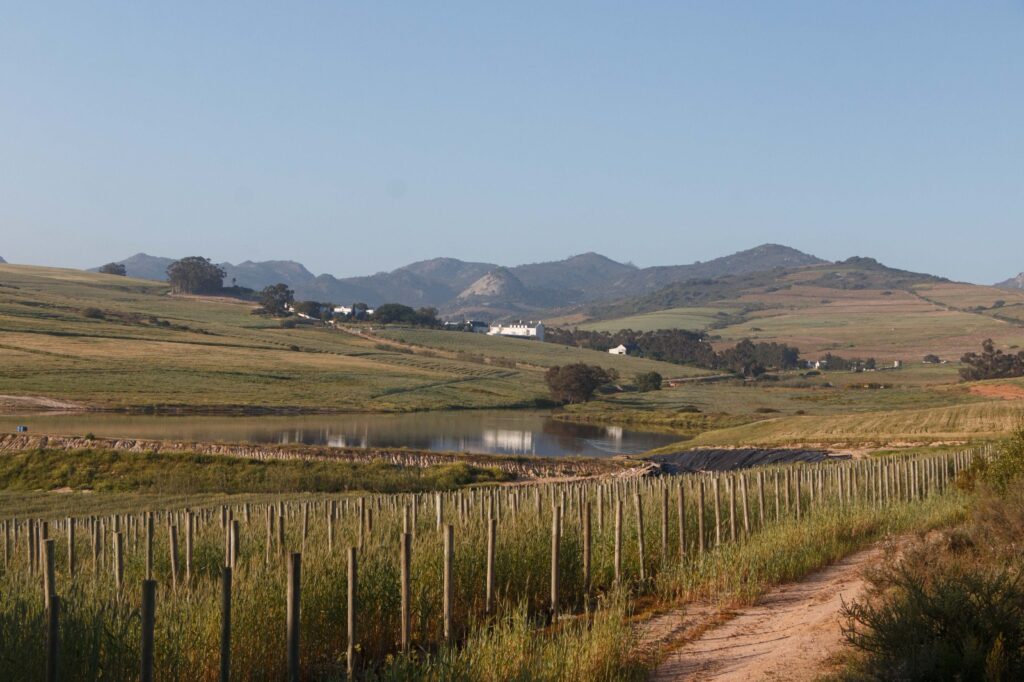
Stay 2: Paardeberg – An ancient heartland
The Paardeberg Mountain area is perhaps the most famous quadrant of the Swartland, boasting a high concentration of the region’s top producers. This is where you’ll find many of the vanguards of the Swartland Revolution.
Accommodation is limited to a few farmstays. If you want to base yourself in the region, best book early.
AA Badenhorst Family Wines is a mandatory stop; owner Adi Badenhorst is a local legend, who always has something interesting on the boil. His sherry-making operation and beach bar in Saldanha are among these and worth a visit if you have the time. Higher up against the granite mountain lies Babylon’s Peak, known for its powerful, structured wines. David & Nadia is a celebrated husband-and-wife team focused on specific vineyard parcels and old-vine purity. Dragonridge is a beautiful estate offering both excellent wines and quality olive products. Intellego of Jurgen Gouws is focused on naturally-driven wines with minimal intervention and vibrant character. Lammershoek in the Aprilskloof is the home of Zwartwater Wines as well as the oldest registered Carignan, Harslevelu and Chardonnay vineyards in South Africa. Leeuwenkuil is known for producing a broad range of high-quality, accessible wines. The Sadie Family Wines is where Eben Sadie is based. A global icon of South African wine, Eben is known amongst others for his Columella and Palladius, and work with old vines. Nearby is winemaker Jasper Wickens’ Swerwer Wines – a passion project that strives to showcase the best of Swartland terroir. Wightman & Sons is another small, quality-focused producer part of the Paardeberg line-up.

Stay 3: Riebeek Valley – Scenic charm and diversity
The picturesque Riebeek Valley combines stunning scenery with an array of producers, from historic giants to boutique gems, often pairing wines with locally grown olives.
Art-lovers will find plenty to enjoy here too, with the towns of Riebeek Kasteel and West being home to a number of galleries. The Royal Hotel is the region’s most prominent hospitality establishment, but by no means the only one.
Where wine is concerned, Allesverloren is one of the oldest estates in the country, famed for its heritage and traditional wines. City on a Hill is a newer venture, where the owner is also making Allesverloren’s wine at this Riebeek Valley farm, making it a double stop! Great Heart Wines is a social project that is associated with Mullineux, focused on uplifting their farm workers. Mullineux itself is globally renowned for their wines and among the pioneers of the original Swartland Revolution.
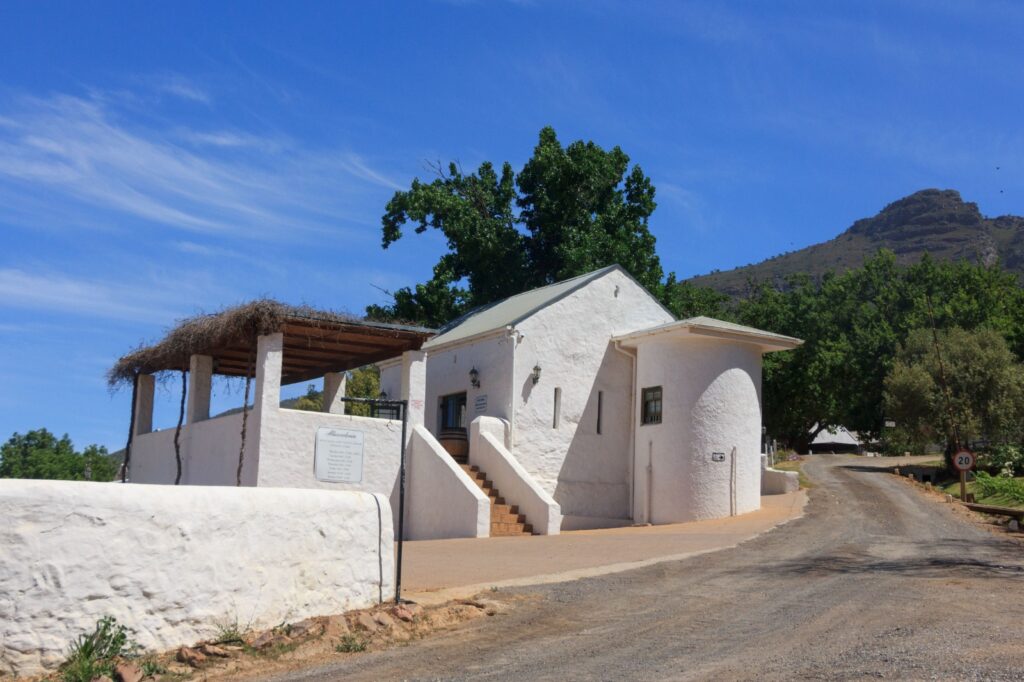
Het Vlock Casteel is a great stop for tasting both their wines and a wide array of top-quality olive products and local preserves. Kloovenburg is highly regarded for both their wines and internationally acclaimed olive oil and table olives. It also has a connection with Springbok Rugby, with the farm being the childhood home of Pieter-Steph du Toit. Marras is known for expressing the terroir of specific vineyard sites and a visit can double up with a meal at the winery’s restaurant.
Also famous in the region is Porseleinberg, a renowned Syrah project. Pulpit Rock is situated at the base of the Kasteelberg, offering not only a wide variety of wines, but also access to a trail to the top of the mountain that inspired its name. Rall Wines is headed by Donovan Rall, a highly respected producer focused on expressive, minimal-intervention wines. Riebeek Valley Wine Co. has become a powerhouse of finely crafted wines from the region.
Other excellent boutique producers here, include Thor Vintners & Co. and Yellowwood.
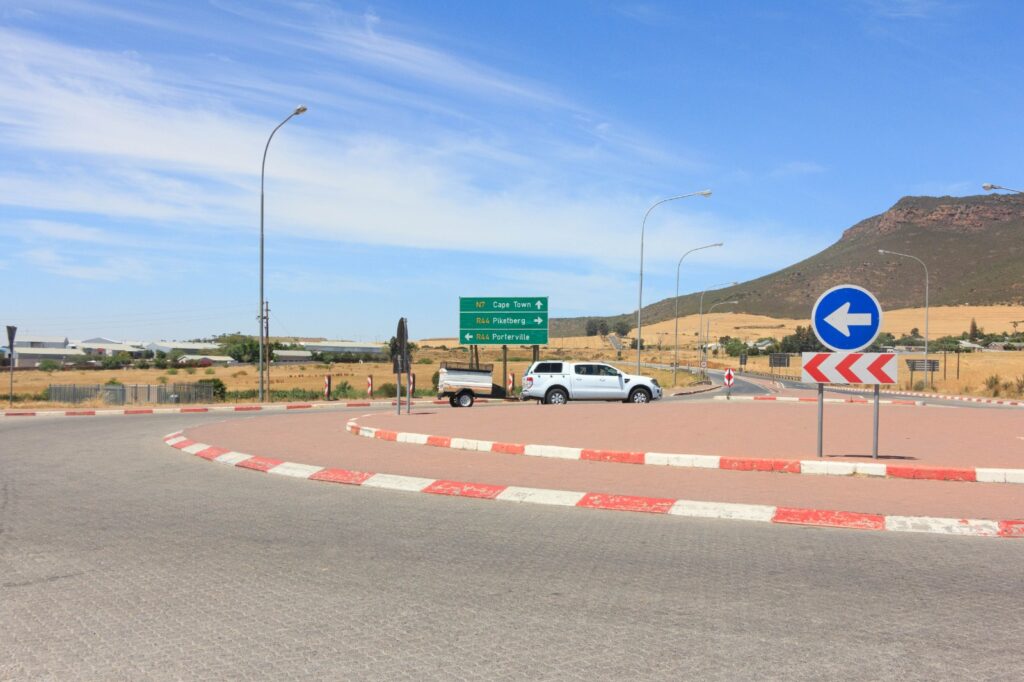
Stay 4: Piketberg – Northern outpost
Venture further north towards Piketberg for a taste of the Swartland’s more remote terroirs. In terms of accommodation, options are diverse and may include staying at the historic Bartholomeus Klip or the Marrian George Hotel in the quaint hamlet of Koringberg.
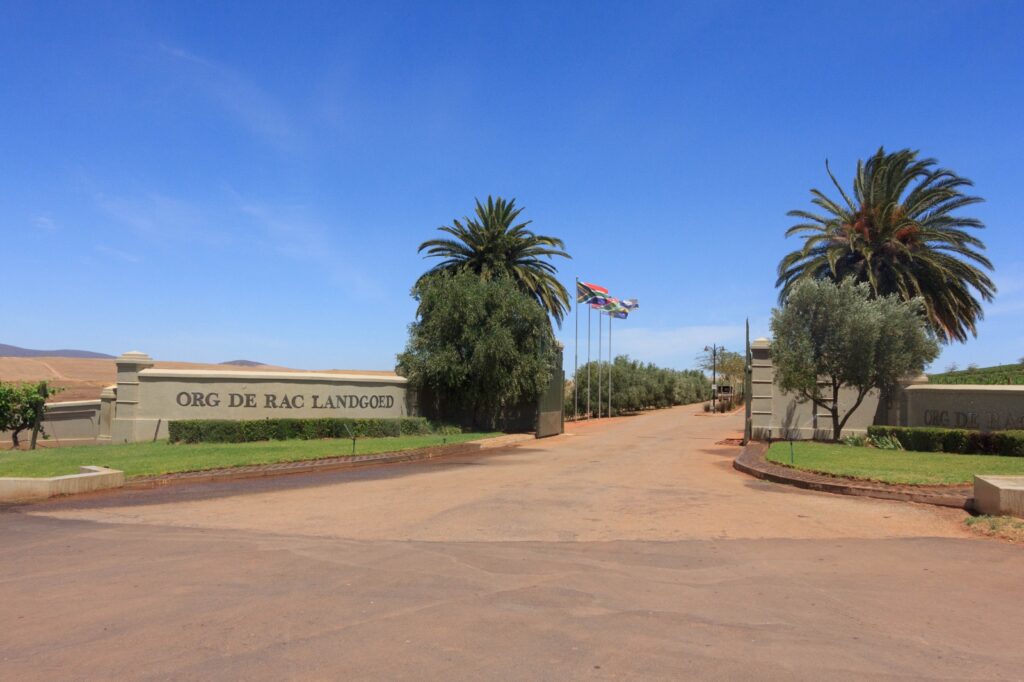
For wine, this area includes the Schenkfontein farm; Org de Rac, the certified organic estate; and, TESTALONGA, whose owners Craig and Carla Hawkins are among the pioneers of the region’s natural wine movement.
A must-stop is the mountain pass to Piket Bo-berg, on the way to FRAM Wines and JH Meyer Signature Wines – the home of brands such as Mother Rock. The views across the Swartland are spectacular.
Your Swartland Strategy
Pace yourself – don’t try to visit all four areas in one day. Also, book ahead. Many of the smaller, high-profile producers require advance bookings, sometimes well in advance.
Be sure to taste the olives. The Swartland is as famous for its olives and olive oil as it is for its wines.
This blog provides a guide to planning a stay in the Swartland. Keep in mind that change is always a factor of an evolving industry. Business hours can change, and even ownerships. When setting out your trip, make sure to call ahead if you’re set on a particular aspect of the visit.
• The Swartland Wine and Olive Route is a member organisation comprising the biggest representation of wine and olive producers of the Swartland region.