Written by: Clifford Roberts; Photography: Johan Viljoen
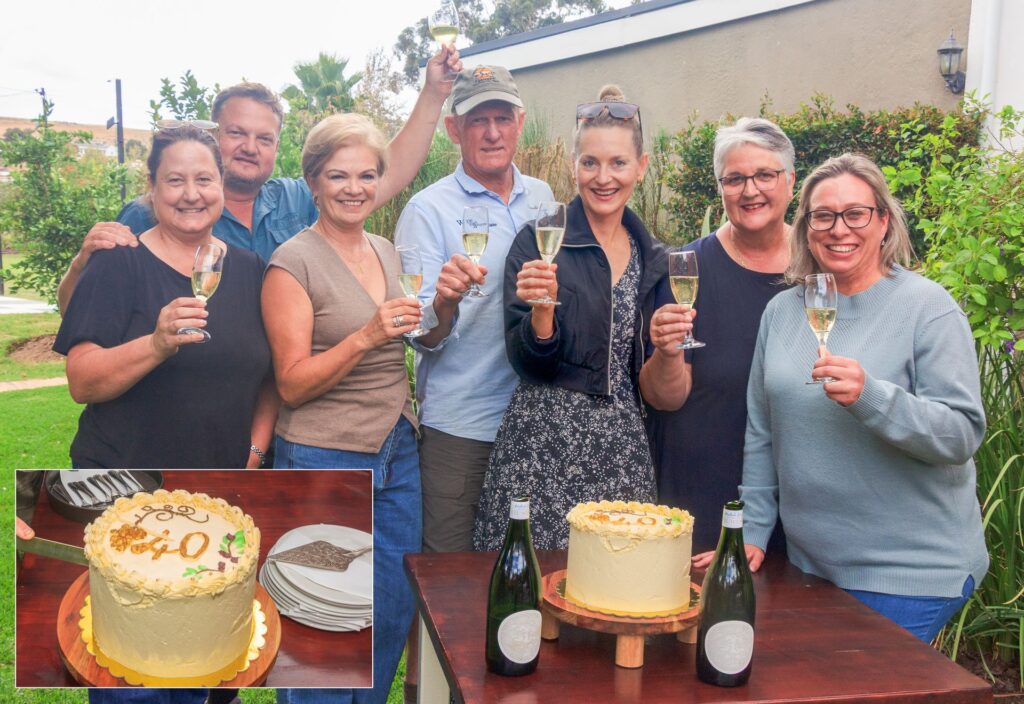
Anniversaries are often marked as mere chronological records denoting the passing of time and, in some part, a nod perhaps to heritage and experience. For the Swartland Wine and Olive Route, which celebrates its establishment in 1986, in every month of March, it’s with worth remembering that its coming was part of one of the most profound shifts of identity in the history of South African viticulture.
Founded in March 1986 as the Swartland Wine Trust, the route emerged from a region traditionally defined by vast wheat fields and high-volume cooperatives.
In 2026, entering its fifth decade, the Swartland is a shadow of its former self as the bulk-wine engine room, having become the vanguard of South African wine.
Consider for one that it is the second-most favoured of South Africa’s wine regions after Stellenbosch, among readers of the country’s premier wine publication, Winemag.co.za. Its most recent survey surmises from data that its readers comprise South Africa’s “most concentrated group of affluent, influential wine decision-makers”.
The significance of this anniversary lies in the route’s successful specialization and pivot towards heritage.
Take the words of Jasper Wickens, who once reflected on the Paardeberg alone – home to many of the Swartland’s acclaimed producers: “Everything is here; each vineyard reflects its place so well. That is why you have many winemakers from many regions that source grapes here. It is an incredible tapestry, like a playground for winemakers. It is like a kid in a candy store. That is what the Paardeberg is to a winemaker.”
In its early years, the Swartland Wine and Olive Route served merely as an administrative body for a handful of pioneering cellars. Back then, it would have been difficult for explorers to understand because the industry itself was re-organising itself.
“When the powers that be divided all the cellars into wine routes back in my father’s time, they found that there were six cellars that didn’t seem to belong anywhere,” the late Danie Malan of Allesverloren once said. “Allesverloren, Riebeek Cellars, Swartland Cellars, Porterville Cellars, Darling Cellars and Winkelshoek didn’t quite seem to fit, but ended up being filed under Stellenbosch for practical purposes. This is why we used to show our wines under the Stellenbosch banner up until 1985.”
However, the true transformation began with the opening of global markets in the 1990s, followed by the Swartland Revolution of the early 2000s.
This movement re-centred the narrative around Old Vines, dry-land farming, and minimal-intervention winemaking. By integrating the olive industry in 2009, the route diversified its lifestyle appeal, ensuring its evolution into a multifaceted destination.
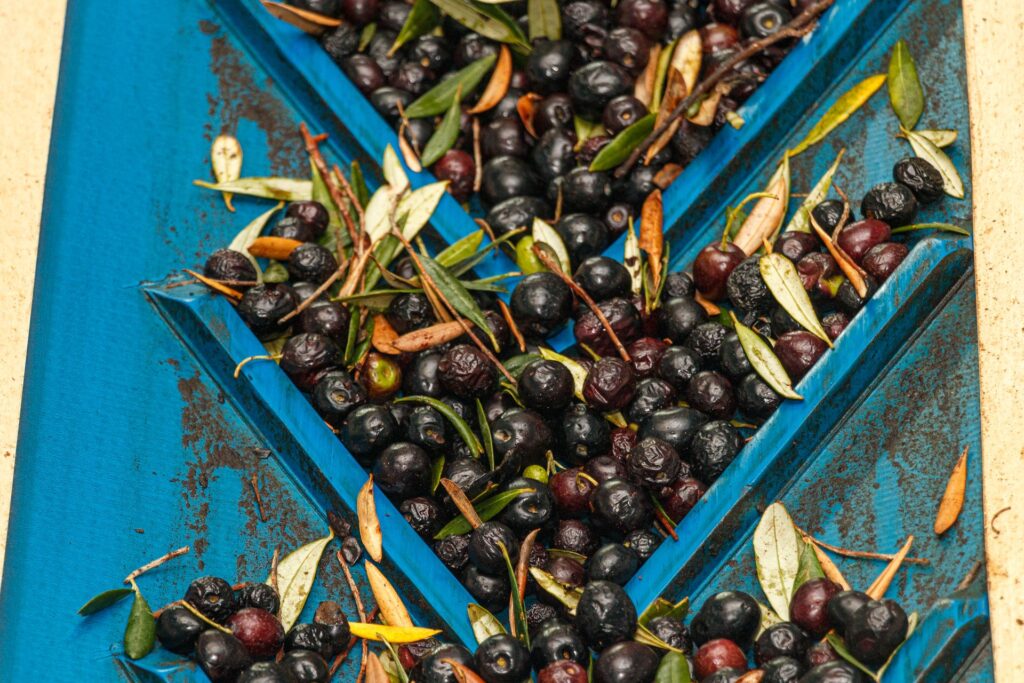
The olive industry is relatively young, having first been established by Kloovenburg in the late 1980s. Still, the region proved fertile ground. “The Swartland’s Mediterranean climate, with its long, hot summers and short, but stinging winters, makes it ideal olive-growing country,” chef Jan Hendrik van der Westhuizen wrote in a 2021 issue of his titular magazine. “Like wine, olive oil can differ greatly depending on where it grows. On Org de Rac alone, there are two distinctly different types of soil, both of which have a profound impact on the taste of both the olives and the grapes.”
Looking towards coming decades, the Swartland is aligned with primary growth pillars. For visitors, these are the hallmarks to pay attention to.
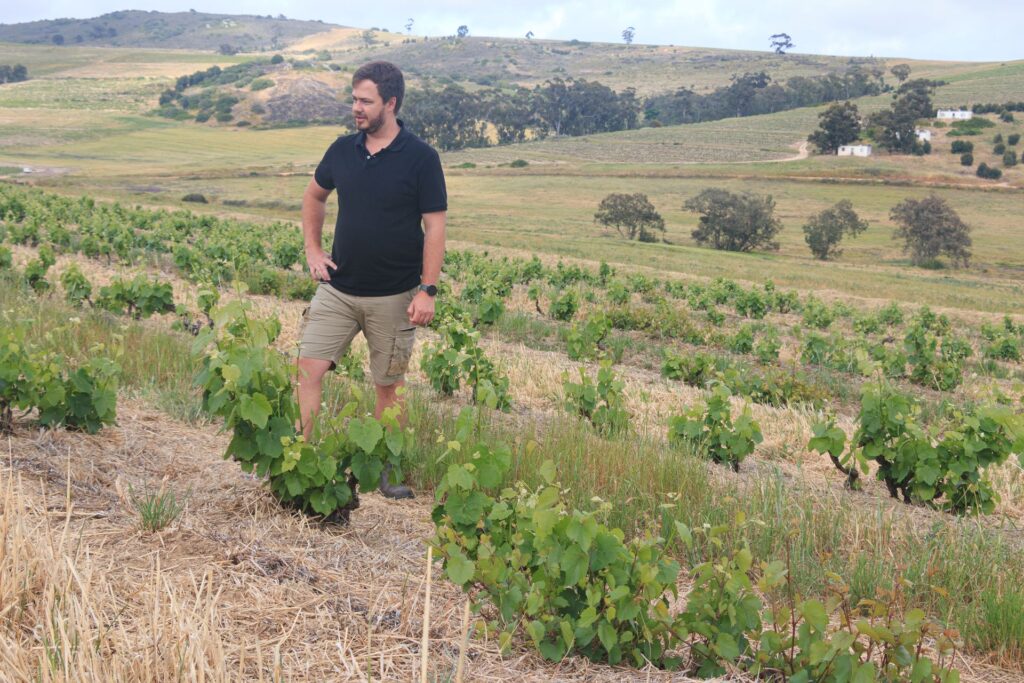
The first relates to premiumization of old vine heritage. The Swartland is home to a significant portion of South Africa’s heritage vineyards. Since its establishment as a world leader, the Old Vine Project has gained traction through recognition and support, heralding even greater focus on its history and hyper-specific, single-vineyard expressions.
Secondly, the Swartland’s appeal stems from continued and growing interest in agri-tourism and what is considered “slow living”. While other regions are often more associated with manicured luxury, the Swartland’s growth lies in its authentic, “dusty-boots” aesthetic. Projections suggest a rise in boutique accommodation and farm-to-table culinary experiences in towns and hamlets like Koringberg, Riebeek Kasteel and Malmesbury. The route is the go-to for slow tourism for travellers seeking connection and soul.
Finally, the Swartland is a proving ground for climate-resilient viticulture. As global warming challenges traditional regions, the Swartland’s experience of viticulture without irrigation has become a blueprint for a future that looks increasingly water-deprived. The region’s expertise in Mediterranean varieties provides a competitive edge in a warming climate, offering a sustainable model that other regions will increasingly look to emulate.
Every anniversary, not just of the Swartland Wine and Olive Route, but all of South Africa’s routes, is an opportunity to consider the power of collective branding. Research by South Africa Wine in 2022 revealed that wine tourism contributed R9.3 billion to South Africa’s GDP, formed 17.3% of total winery turnover, and generated employment for up to 40 000 people, depending on the season. Wine routes play no small part in this.
By moving away from the shadow of a regulatory era and embracing its rugged, independent spirit, the Swartland Region has become the love of sommeliers and enthusiasts.
Here, an indie credibility will continue to drive growth as tourism infrastructure is scaled up to meet the demands of an international audience hungry for authenticity and hungry for the Swartland.