

Written by: Clifford Roberts; Photography: Johan Viljoen
For more than a decade, the Swartland has enjoyed an almost mythical reputation in global wine circles. It is often described in shorthand: raw, wild, natural. While this narrative helped propel the region onto the international stage, it has also become a simplification.
The Swartland is not just about natural wine – and it never truly was.
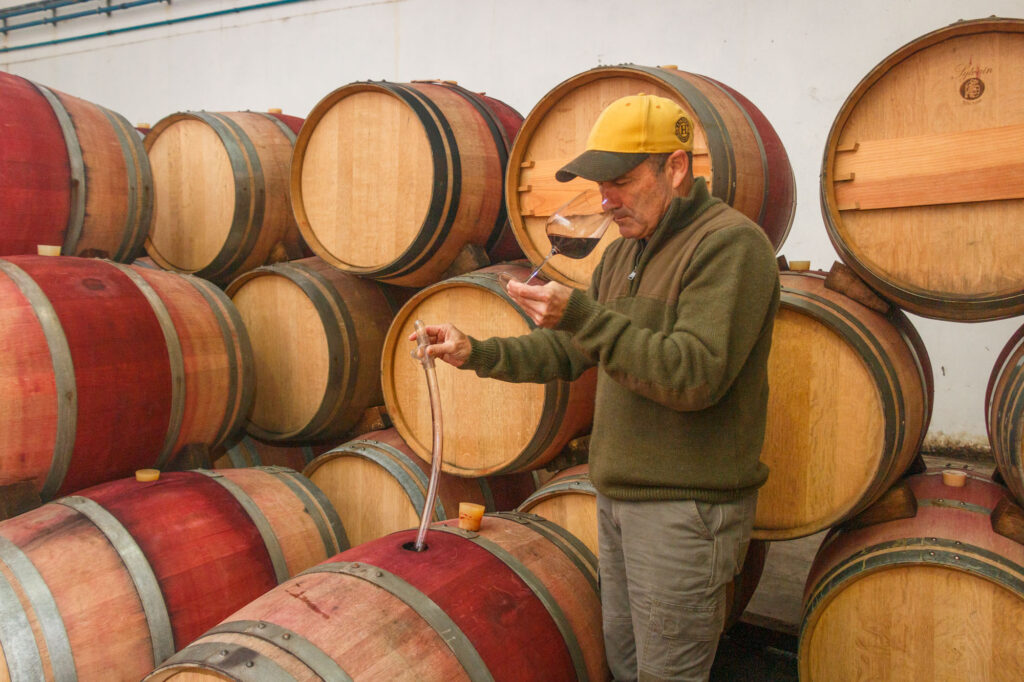
Of course, with wines named Die Nagmuis or Tarentaal Kwaal Organic Bush Vine by Klein Amoskuil, or The Birds by Nativo – it’s easy to understand where any confusion may have arisen.
“The wines must be naturally produced,” declared the manifesto of the now defunct Swartland Independent Producers. Its logo contained the Southern Cross Constellation, it said was intended to reflect “the greater environment our vines express thanks to our natural approach to viticulture and winemaking”.
Of course, there was little change among producers because even though they shone a light on the importance of listening to the land. At its core, the Swartland has always been about place. It is anchored in amongst others, its ancient granite and schist soils, low rainfall, dry-farmed bush vines and a climate that demands respect rather than control and how those characteristics shape everything that grows here. These conditions existed long before “natural wine” became a category, and they continue to define the wines today – whether made with minimal intervention or a more classical hand.
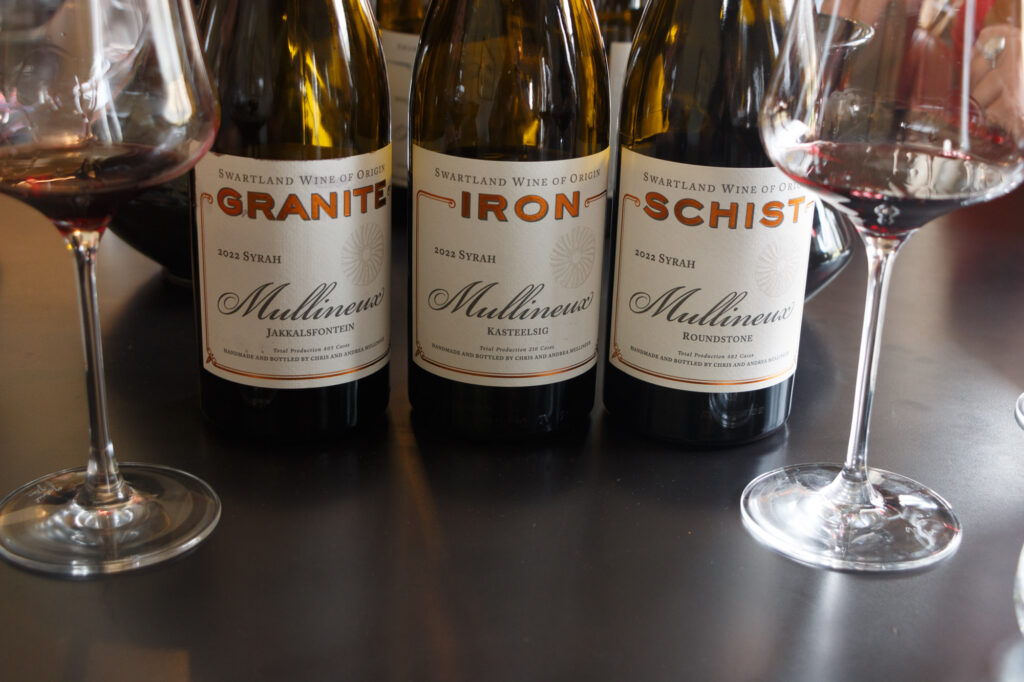
The philosophy is echoed repeatedly by the region’s producers. Chris Mullineux of Mullineux is clear that the Swartland’s identity is not rooted in certification or ideology, but in translation.
“Our approach to farming is to understand our terroir and figure out how we can best express that …,” he says. “The idea is not necessarily to be accredited as a natural or organic winery, but to be able to make wines that taste like the vineyards from which it came. This is ultimately what gives it a sense of place.”
The famed Swartland Revolution, that largely brought the Swartland into international focus, did not begin as a rejection of sulphur or technology. It emerged from a belief that the region could produce wines of depth, longevity and international stature – without mimicking Stellenbosch, the Rhône or anywhere else. Figures such as Eben Sadie became associated with the movement not because they rejected convention outright, but because they reasserted the importance of old vines, thoughtful farming and restraint in the cellar.
Producers such as The Sadie Family Wines and Mullineux make wines that are precise, structured and built to age. These are not wines defined by cloudiness or volatility, but by texture, balance and a clear sense of origin. Minimal intervention, where practiced, is a tool – not a marketing message.
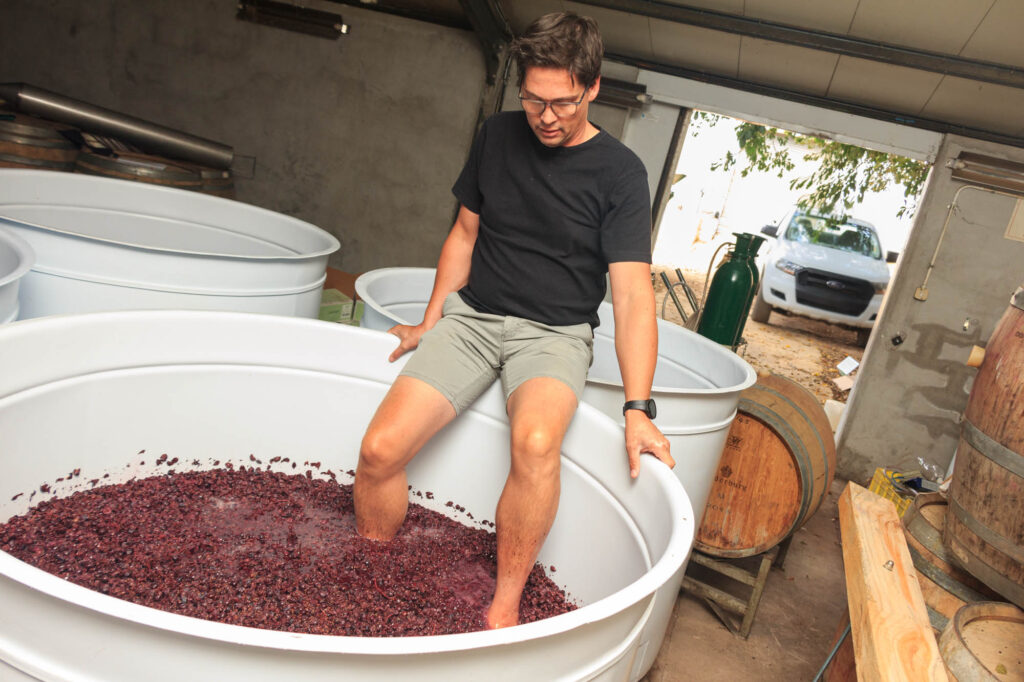
The distinction matters deeply to many Swartland winemakers. André Bruyns of City on a Hill points directly to the foundations of the region’s character, when he said, “The Swartland is a magical place … its strength lies in the sense of community, its soils and its vineyards.”
Even practices commonly associated with natural wine are framed by Swartland producers, as responses to site rather than trend. Bruyns notes that “natural fermentation is part and parcel of the expression of the site as well as the Swartland terroir … the strength of the Swartland lies in the soils and the vineyards.”
This perspective carries through winemakers who have subsequently invested in the region. Jasper Wickens of Swerwer Wines articulates a philosophy shared across the region. “My wines speak true terroir in each glass … This is my number one goal. To achieve that, I think as a winemaker one must take a minimalistic approach and let the grapes meet the glass.”
For visitors, this nuance is often a revelation. Names of wines like Dassiekop by AA Badenhorst Family Wines, Skaliekop by David & Nadia, Mother Rock by Johan “Stompie” Meyer or Badlands by Thor Vintners, are suddenly not just quirky names, but a nexus of both heritage and location – all underscored by a healthy respect for the environment.
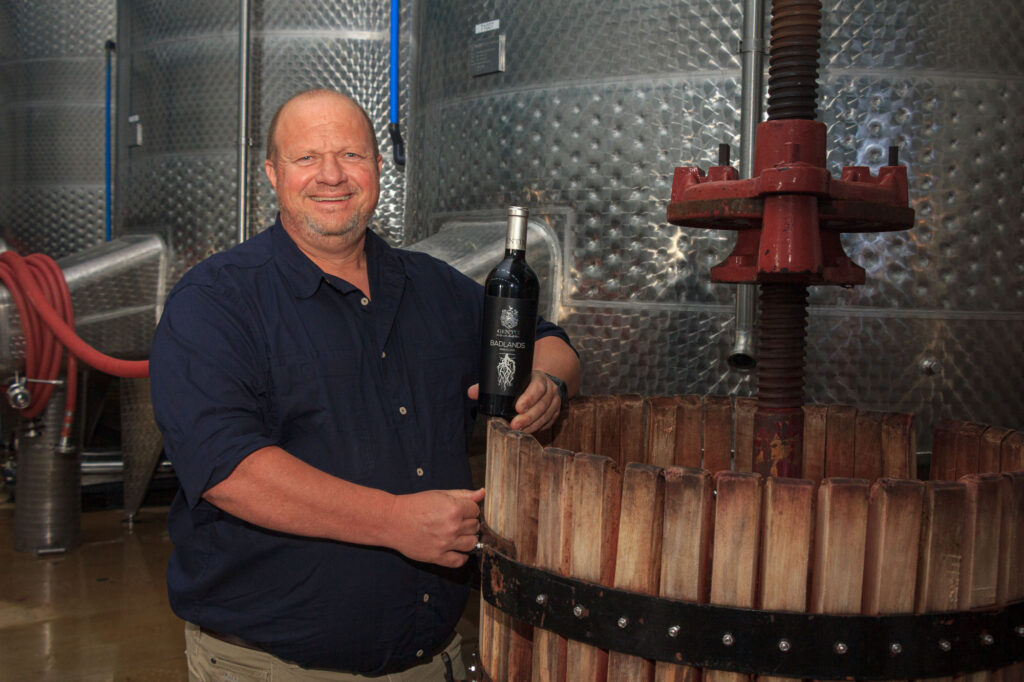
The Swartland offers an experience that is grounded rather than polished: working farms instead of manicured estates, conversations about seasons and soils rather than trends, and food culture built around simplicity and generosity. The wines mirror this ethos – honest, expressive and shaped by necessity as much as choice.
Reducing the Swartland to “natural wine country” flattens a complex story into a single talking point. It overlooks the discipline, experience and intention that underpin the region’s best wines. The Swartland is not about rejecting structure or tradition; it is about choosing what best serves the vineyard.
In the end, the region’s greatest strength lies in a refusal to be defined. Natural wines are part of the story – but they are not the whole story. And this is what makes every bottle of Swartland wine so much more enticing.
• The Swartland Wine and Olive Route is a member organisation comprising the biggest representation of wine and olive producers of the Swartland region.